
Miscarriage Paperwork Printable
Miscarriage Paperwork Printable - Around 1 in 4 recognized pregnancies ends in a miscarriage — and it may be as many as half the pregnancies, since many people miscarry before they realize they are pregnant. Losing a pregnancy is deeply painful, and when children are already part of the family, it adds emotional complexity. For many women, time after a miscarriage is filled with questions and concerns about their health. You can start using any type of birth control right after a miscarriage. About 10% to 20% of known pregnancies end in miscarriage. Most often, early miscarriage is caused by a problem in the chromosomes that disrupts an embryo's development. There are four general categories that explain why pregnancy loss usually happens — and a whole host of factors that don't have anything to do with a miscarriage. But the actual number is likely higher. Most people who have a miscarriage get their period about two weeks after any light bleeding or spotting stops. In general, a miscarriage is defined as the loss of a pregnancy before 20 weeks gestation. Many miscarriages happen because the fetus isn't growing as expected. In general, a miscarriage is defined as the loss of a pregnancy before 20 weeks gestation. How and whether to talk to them about the loss depends. Miscarriage is the sudden loss of a pregnancy before the 20th week. Most people who have a miscarriage get their period about two weeks after any light bleeding or spotting stops. Around 1 in 4 recognized pregnancies ends in a miscarriage — and it may be as many as half the pregnancies, since many people miscarry before they realize they are pregnant. About 10% to 20% of known pregnancies end in miscarriage. Most often, early miscarriage is caused by a problem in the chromosomes that disrupts an embryo's development. Because it is not a topic that receives much attention, miscarriage tends to be more. You can start using any type of birth control right after a miscarriage. Many miscarriages happen because the fetus isn't growing as expected. For many women, time after a miscarriage is filled with questions and concerns about their health. Most people who have a miscarriage get their period about two weeks after any light bleeding or spotting stops. Around 1 in 4 recognized pregnancies ends in a miscarriage — and it may be. Miscarriage is the sudden loss of a pregnancy before the 20th week. A miscarriage can be a deeply emotional and physically challenging experience. You can start using any type of birth control right after a miscarriage. Miscarriage is an unplanned loss of a pregnancy before the 20th week. There are four general categories that explain why pregnancy loss usually happens. There are four general categories that explain why pregnancy loss usually happens — and a whole host of factors that don't have anything to do with a miscarriage. Around 1 in 4 recognized pregnancies ends in a miscarriage — and it may be as many as half the pregnancies, since many people miscarry before they realize they are pregnant. A. Miscarriage is an unplanned loss of a pregnancy before the 20th week. But research has found that some forms of stress may. But the actual number is likely higher. Because it is not a topic that receives much attention, miscarriage tends to be more. Most often, early miscarriage is caused by a problem in the chromosomes that disrupts an embryo's. But the actual number is likely higher. Miscarriage is an unplanned loss of a pregnancy before the 20th week. Because it is not a topic that receives much attention, miscarriage tends to be more. But research has found that some forms of stress may. You can start using any type of birth control right after a miscarriage. Most often, early miscarriage is caused by a problem in the chromosomes that disrupts an embryo's development. Losing a pregnancy is deeply painful, and when children are already part of the family, it adds emotional complexity. There are four general categories that explain why pregnancy loss usually happens — and a whole host of factors that don't have anything to. About 10% to 20% of known pregnancies end in miscarriage. Miscarriage is an unplanned loss of a pregnancy before the 20th week. Because it is not a topic that receives much attention, miscarriage tends to be more. Miscarriage is the sudden loss of a pregnancy before the 20th week. Losing a pregnancy is deeply painful, and when children are already. Miscarriage is an unplanned loss of a pregnancy before the 20th week. For many women, time after a miscarriage is filled with questions and concerns about their health. There are four general categories that explain why pregnancy loss usually happens — and a whole host of factors that don't have anything to do with a miscarriage. Counseling and comparison of. About 10% to 20% of known pregnancies end in miscarriage. Miscarriage is the sudden loss of a pregnancy before the 20th week. How and whether to talk to them about the loss depends. Because it is not a topic that receives much attention, miscarriage tends to be more. But the actual number is likely higher. Most often, early miscarriage is caused by a problem in the chromosomes that disrupts an embryo's development. Most people who have a miscarriage get their period about two weeks after any light bleeding or spotting stops. There are four general categories that explain why pregnancy loss usually happens — and a whole host of factors that don't have anything to. Losing a pregnancy is deeply painful, and when children are already part of the family, it adds emotional complexity. In general, a miscarriage is defined as the loss of a pregnancy before 20 weeks gestation. A miscarriage can be a deeply emotional and physically challenging experience. But the actual number is likely higher. Counseling and comparison of treatment options and discussion of related care. Because it is not a topic that receives much attention, miscarriage tends to be more. Most people who have a miscarriage get their period about two weeks after any light bleeding or spotting stops. You can start using any type of birth control right after a miscarriage. How and whether to talk to them about the loss depends. Miscarriage is the sudden loss of a pregnancy before the 20th week. For many women, time after a miscarriage is filled with questions and concerns about their health. Miscarriage is an unplanned loss of a pregnancy before the 20th week. There are four general categories that explain why pregnancy loss usually happens — and a whole host of factors that don't have anything to do with a miscarriage. Around 1 in 4 recognized pregnancies ends in a miscarriage — and it may be as many as half the pregnancies, since many people miscarry before they realize they are pregnant.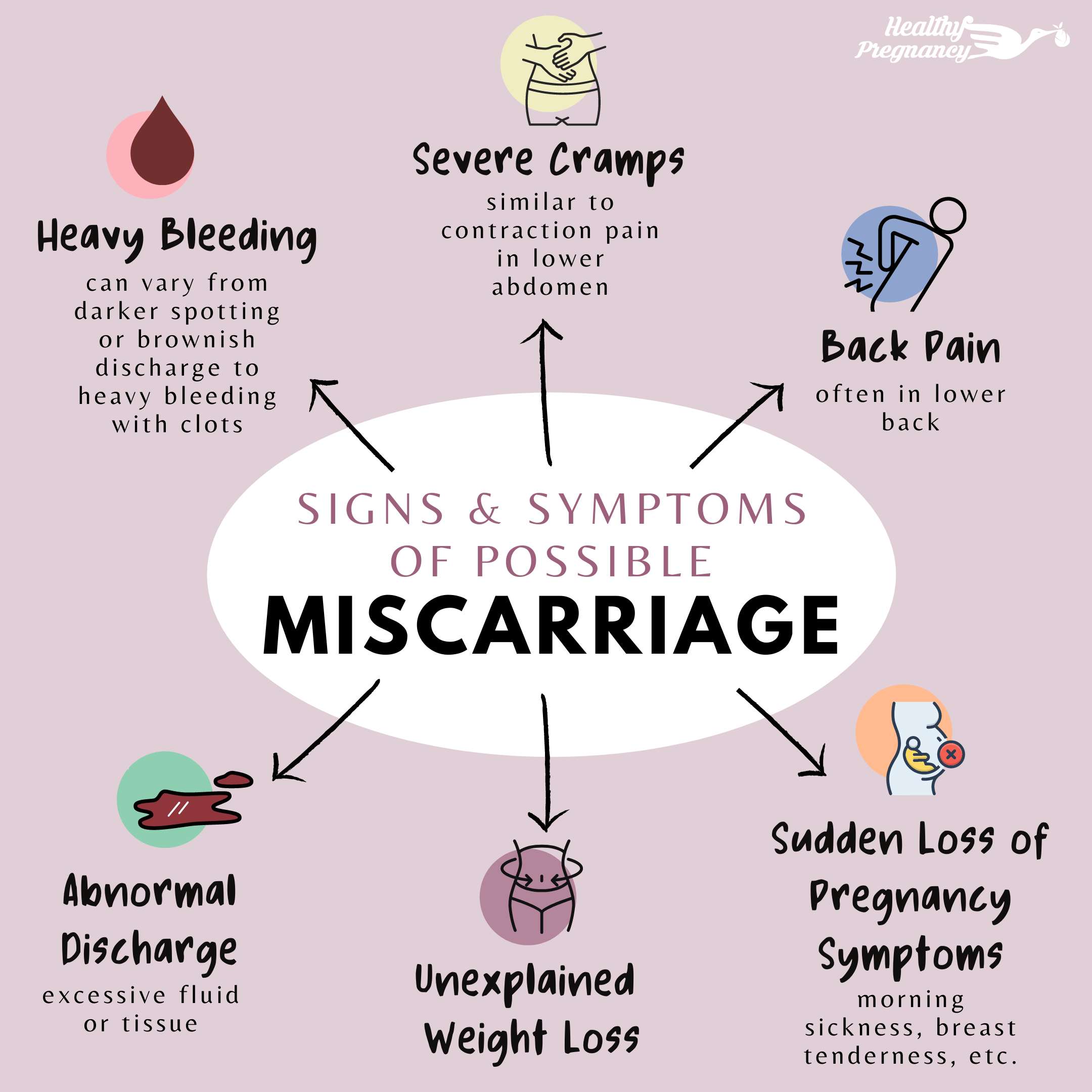
How to Identify a Possible Miscarriage Healthy Pregnancy
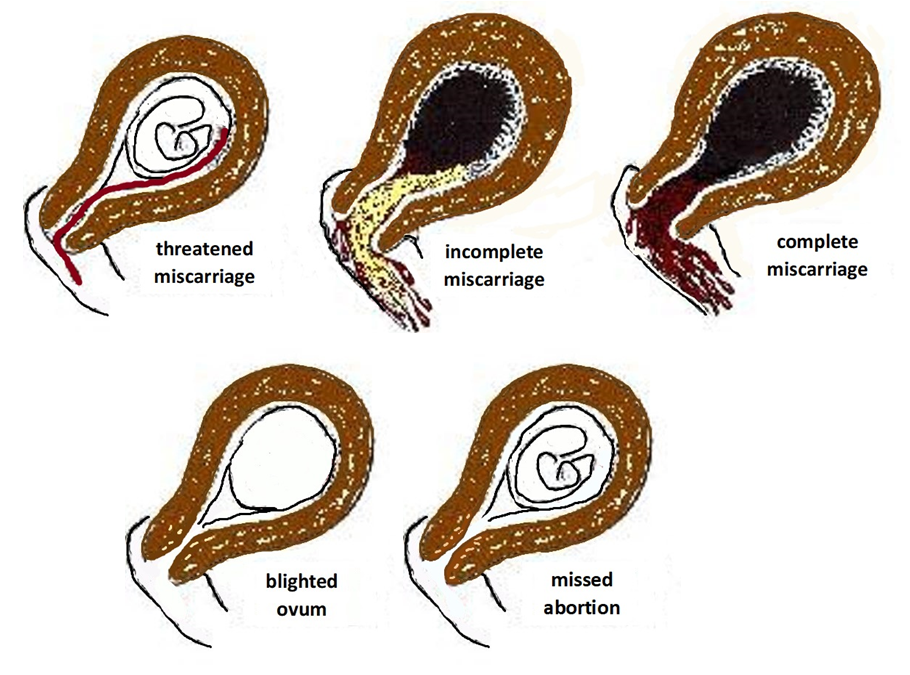
Miscarriages Classification & Causes Obstetric Excellence

MISCARRIAGE Causes, Signs and Symptoms, Treatment, Diagnosis YouTube
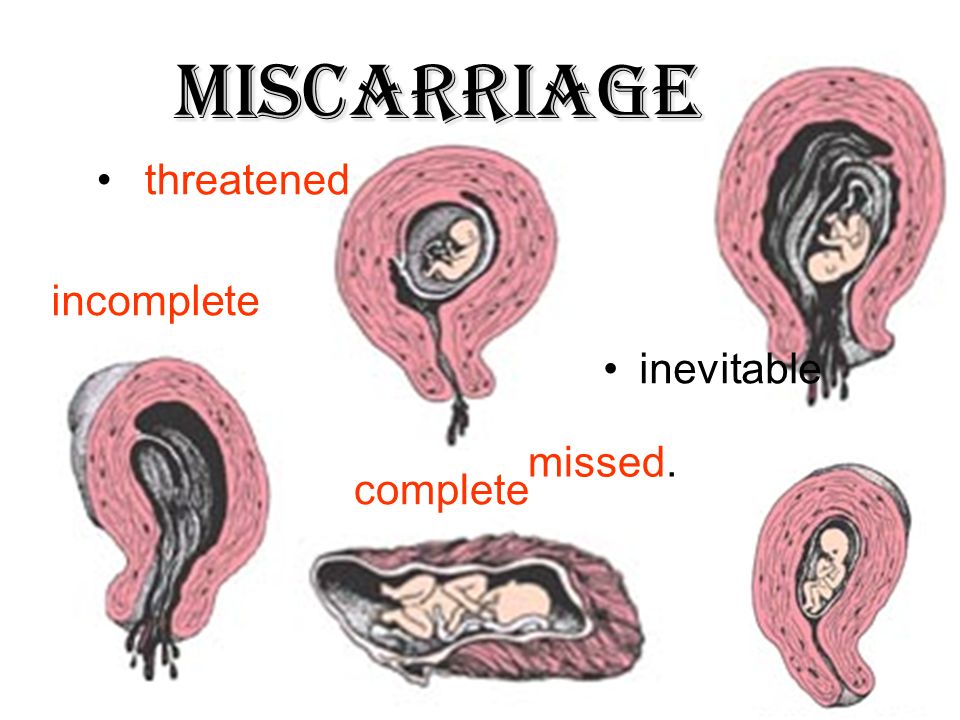
How a miscarriage looks like
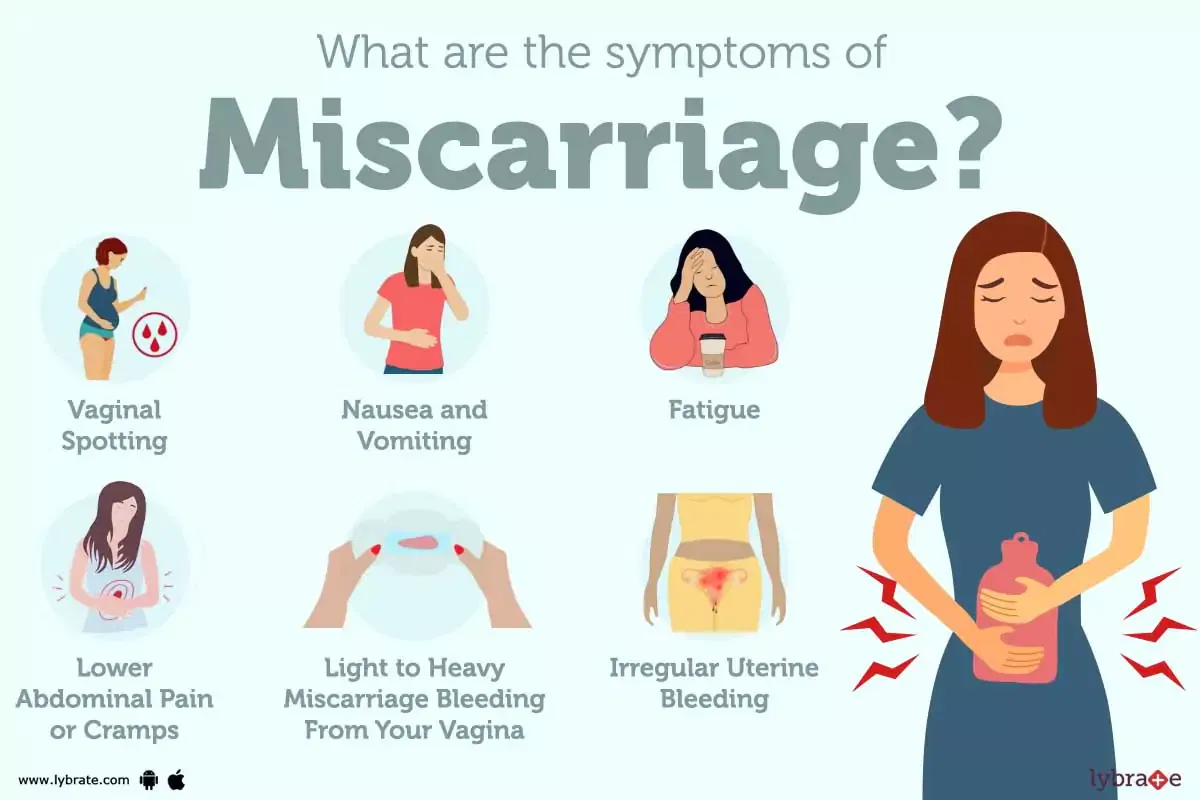
Miscarriage Signs, Symptoms, Treatment And Prevention
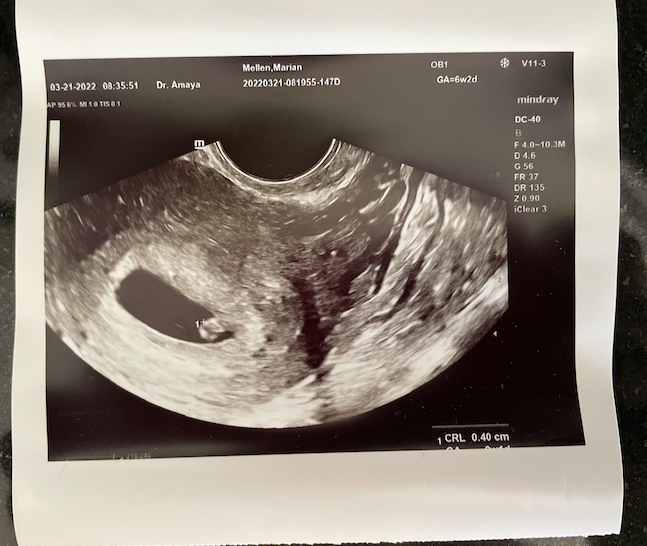
Miscarriage and Loss Indie Birth
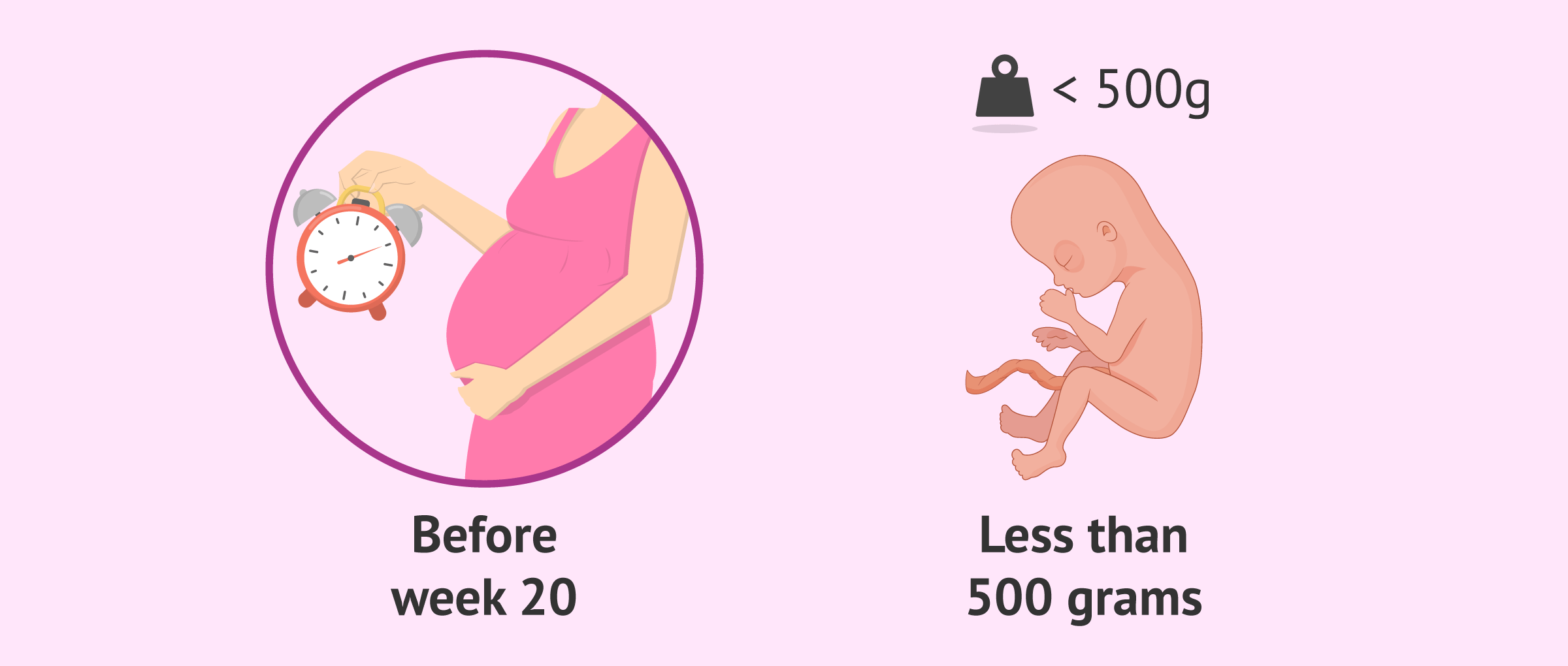
Uterine curettage procedure, recovery and complications
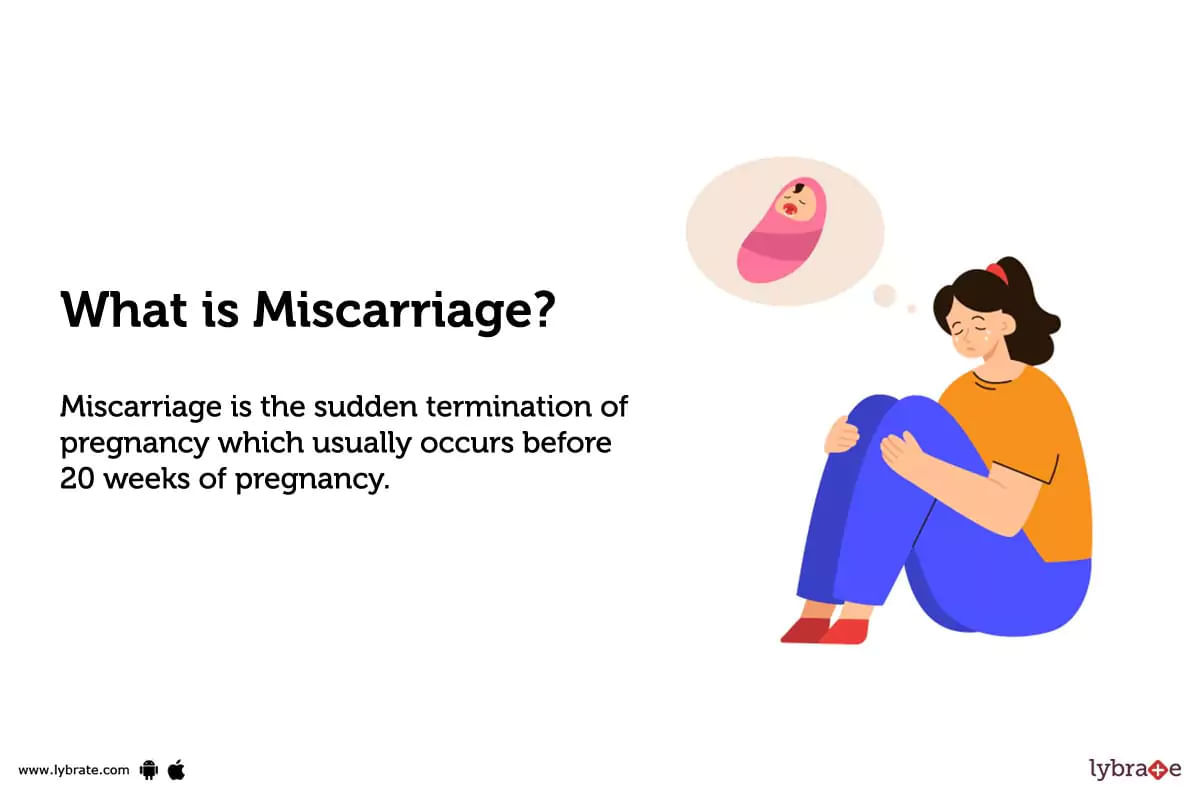
Miscarriage Signs, Symptoms, Treatment And Prevention
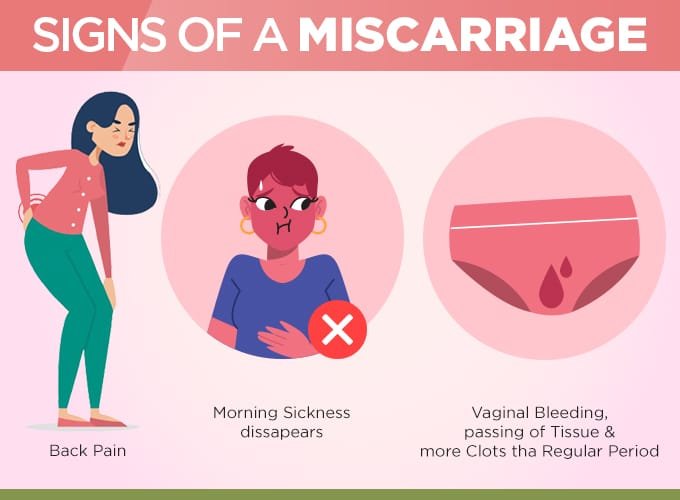
Recurrent Pregnancy Loss Miscarriage Treatment Gurgaon
Miscarried Embryo At 2 Weeks
Many Miscarriages Happen Because The Fetus Isn't Growing As Expected.
But Research Has Found That Some Forms Of Stress May.
About 10% To 20% Of Known Pregnancies End In Miscarriage.
Most Often, Early Miscarriage Is Caused By A Problem In The Chromosomes That Disrupts An Embryo's Development.
Related Post: