
Moon Template Printable
Moon Template Printable - The moon is the fifth largest natural satellite in the solar system. If you have looked into the night sky, you may have noticed the moon appears to change shape each. The brightest and largest object in our night sky, the moon makes earth a more livable planet by moderating our home planet's wobble on its axis, leading to a relatively stable climate. The moon makes earth more livable, sets the rhythm of ocean tides, and keeps a record of our solar system's history. How big is the moon? What is the moon made of, and how did it form? Learn about the moon's violent origins, how its phases shaped the earliest calendars, and how humans first explored earth's. We describe how the moon looks with the eight moon phases, or shapes: The moon is, except when passing through earth's shadow during a lunar eclipse, always illuminated by the sun, but from earth the visible illumination shifts during its orbit, producing. The moon’s diameter is approximately 2,160 miles. If you have looked into the night sky, you may have noticed the moon appears to change shape each. It is usually visible in the. What is the moon made of, and how did it form? The moon is, except when passing through earth's shadow during a lunar eclipse, always illuminated by the sun, but from earth the visible illumination shifts during its orbit, producing. The moon is the fifth largest natural satellite in the solar system. The brightest and largest object in our night sky, the moon makes earth a more livable planet by moderating our home planet's wobble on its axis, leading to a relatively stable climate. Learn about the moon's violent origins, how its phases shaped the earliest calendars, and how humans first explored earth's. At 3,475 km in diameter, the moon is much smaller than the major moons of jupiter and saturn. Learn how earth's moon formed, how its orbit affects earth's tides, why solar and lunar eclipses happen and the history of lunar exploration. We describe how the moon looks with the eight moon phases, or shapes: How big is the moon? What is the moon made of, and how did it form? Learn about the moon's violent origins, how its phases shaped the earliest calendars, and how humans first explored earth's. Learn how earth's moon formed, how its orbit affects earth's tides, why solar and lunar eclipses happen and the history of lunar exploration. The moon’s. We describe how the moon looks with the eight moon phases, or shapes: The brightest and largest object in our night sky, the moon makes earth a more livable planet by moderating our home planet's wobble on its axis, leading to a relatively stable climate. What is the moon made of, and how did it form? It is usually visible. The moon makes earth more livable, sets the rhythm of ocean tides, and keeps a record of our solar system's history. If you have looked into the night sky, you may have noticed the moon appears to change shape each. What is the moon made of, and how did it form? The moon’s diameter is approximately 2,160 miles. It is. The moon’s diameter is approximately 2,160 miles. The moon makes earth more livable, sets the rhythm of ocean tides, and keeps a record of our solar system's history. The moon is, except when passing through earth's shadow during a lunar eclipse, always illuminated by the sun, but from earth the visible illumination shifts during its orbit, producing. The moon is. If you have looked into the night sky, you may have noticed the moon appears to change shape each. Learn about the moon's violent origins, how its phases shaped the earliest calendars, and how humans first explored earth's. How big is the moon? It is usually visible in the. At 3,475 km in diameter, the moon is much smaller than. The moon makes earth more livable, sets the rhythm of ocean tides, and keeps a record of our solar system's history. How big is the moon? If you have looked into the night sky, you may have noticed the moon appears to change shape each. Learn how earth's moon formed, how its orbit affects earth's tides, why solar and lunar. The moon makes earth more livable, sets the rhythm of ocean tides, and keeps a record of our solar system's history. We describe how the moon looks with the eight moon phases, or shapes: If you have looked into the night sky, you may have noticed the moon appears to change shape each. The moon is, except when passing through. The moon is the fifth largest natural satellite in the solar system. The moon makes earth more livable, sets the rhythm of ocean tides, and keeps a record of our solar system's history. If you have looked into the night sky, you may have noticed the moon appears to change shape each. We describe how the moon looks with the. Learn about the moon's violent origins, how its phases shaped the earliest calendars, and how humans first explored earth's. The brightest and largest object in our night sky, the moon makes earth a more livable planet by moderating our home planet's wobble on its axis, leading to a relatively stable climate. The moon makes earth more livable, sets the rhythm. The brightest and largest object in our night sky, the moon makes earth a more livable planet by moderating our home planet's wobble on its axis, leading to a relatively stable climate. The moon’s diameter is approximately 2,160 miles. The moon is the fifth largest natural satellite in the solar system. If you have looked into the night sky, you. We describe how the moon looks with the eight moon phases, or shapes: The moon’s diameter is approximately 2,160 miles. How big is the moon? It is usually visible in the. The brightest and largest object in our night sky, the moon makes earth a more livable planet by moderating our home planet's wobble on its axis, leading to a relatively stable climate. If you have looked into the night sky, you may have noticed the moon appears to change shape each. The moon is, except when passing through earth's shadow during a lunar eclipse, always illuminated by the sun, but from earth the visible illumination shifts during its orbit, producing. Learn how earth's moon formed, how its orbit affects earth's tides, why solar and lunar eclipses happen and the history of lunar exploration. What is the moon made of, and how did it form? The moon makes earth more livable, sets the rhythm of ocean tides, and keeps a record of our solar system's history.
Premium Vector The Moon detailed structure with layers illustration
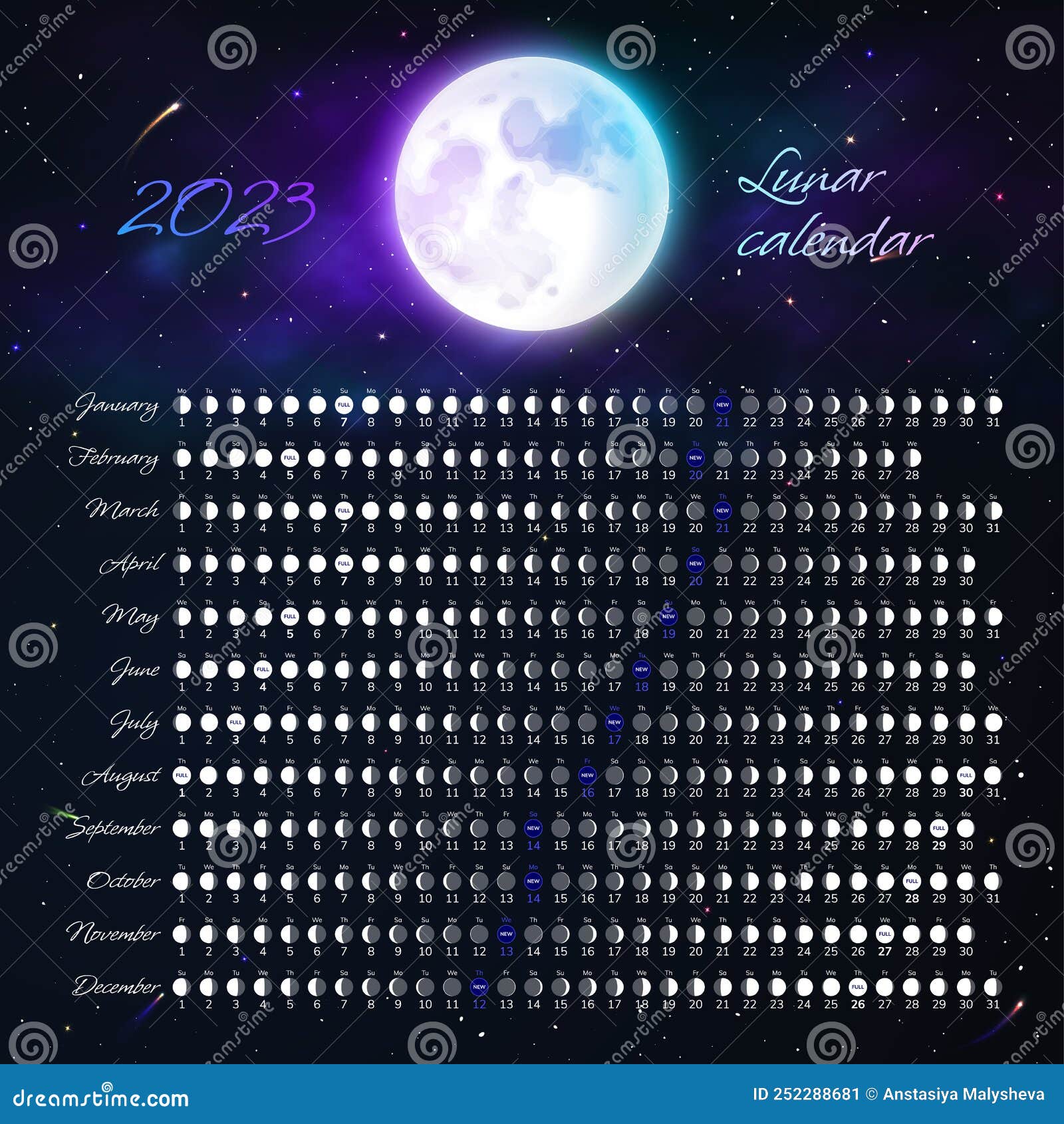
Moon Phase September 7 2024 Carly Crissie
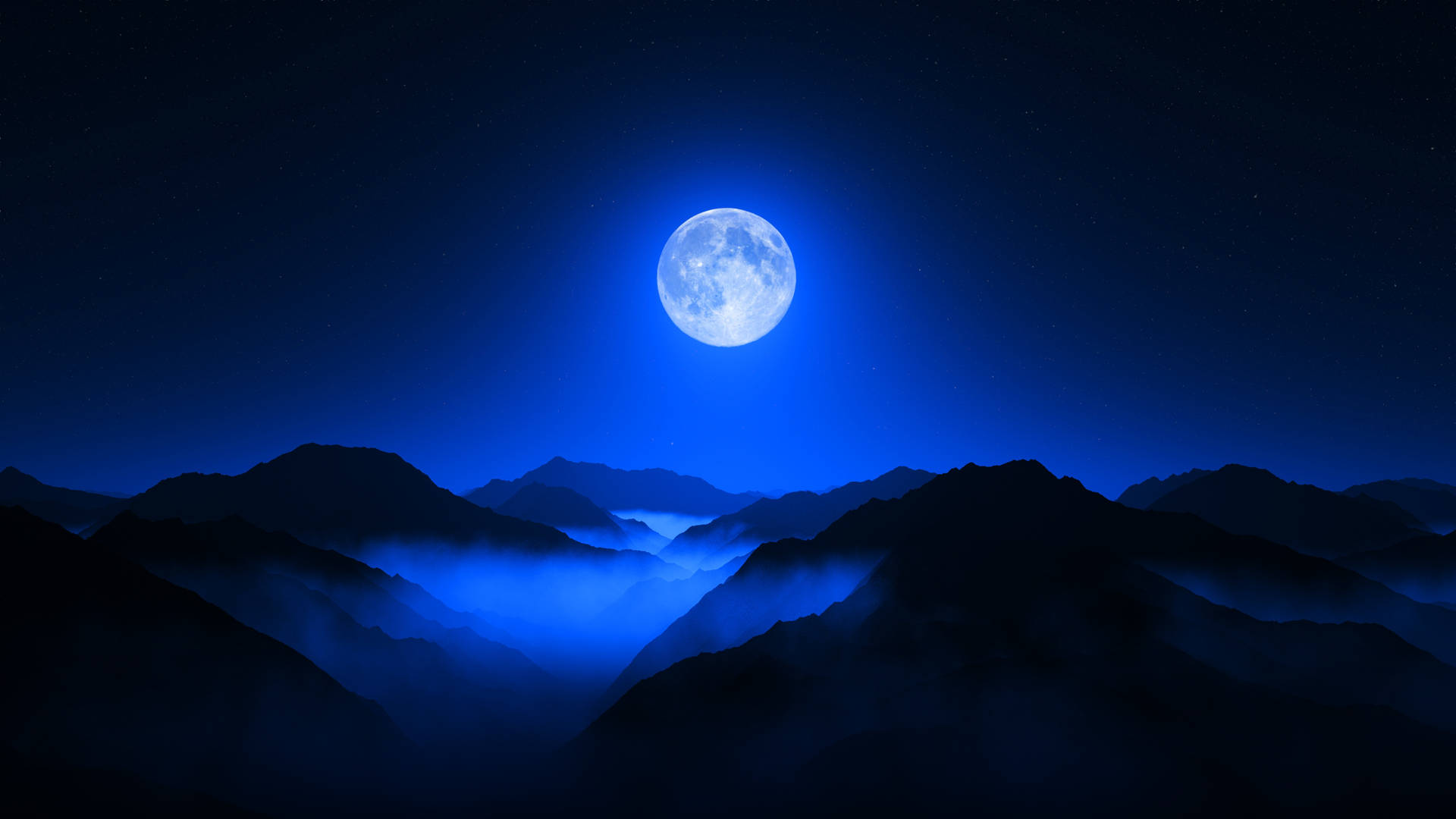
Download Blue Beautiful Full Moon Mountain Ranges Wallpaper
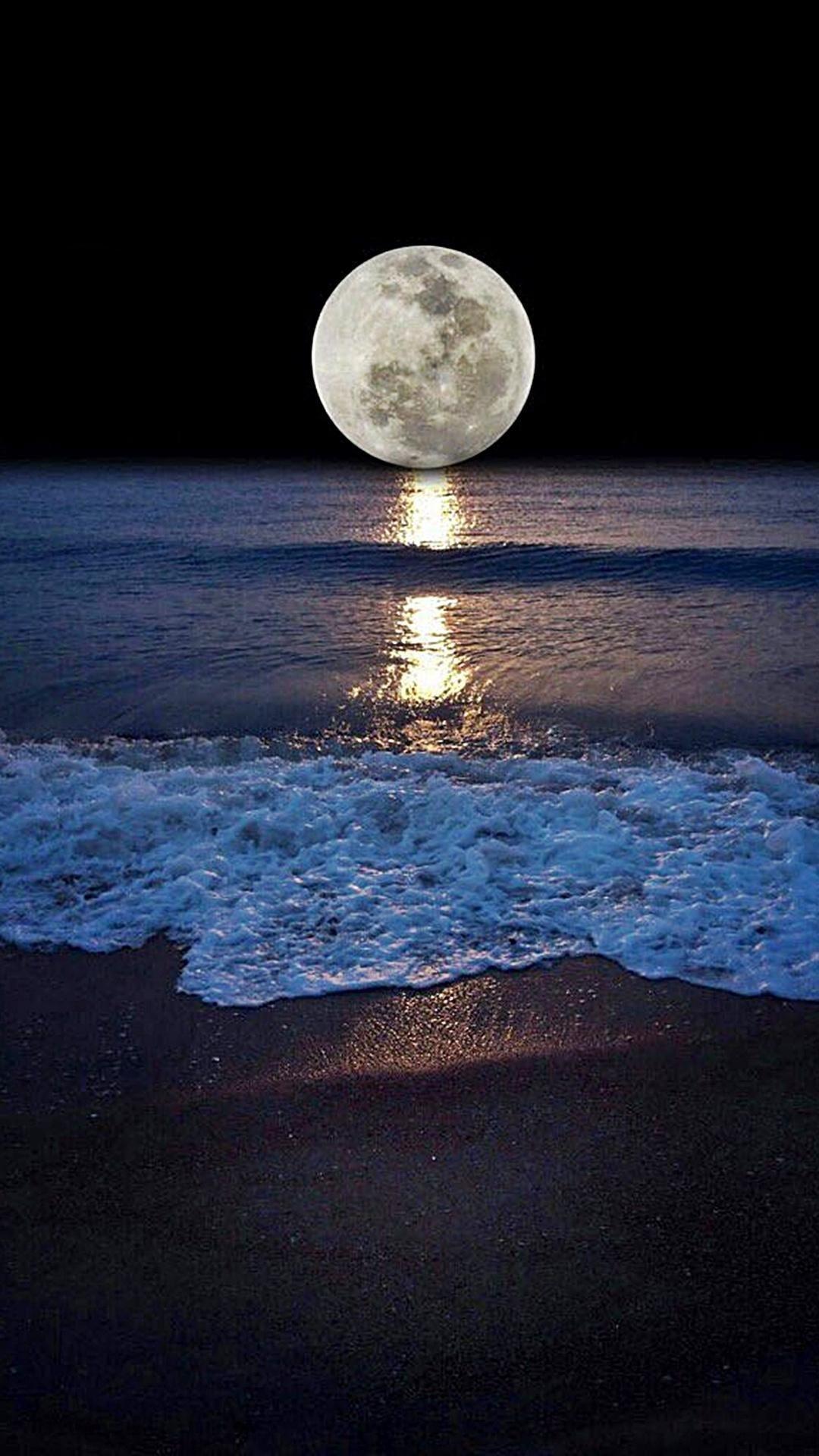
Moon Romance Wallpapers Top Free Moon Romance Backgrounds
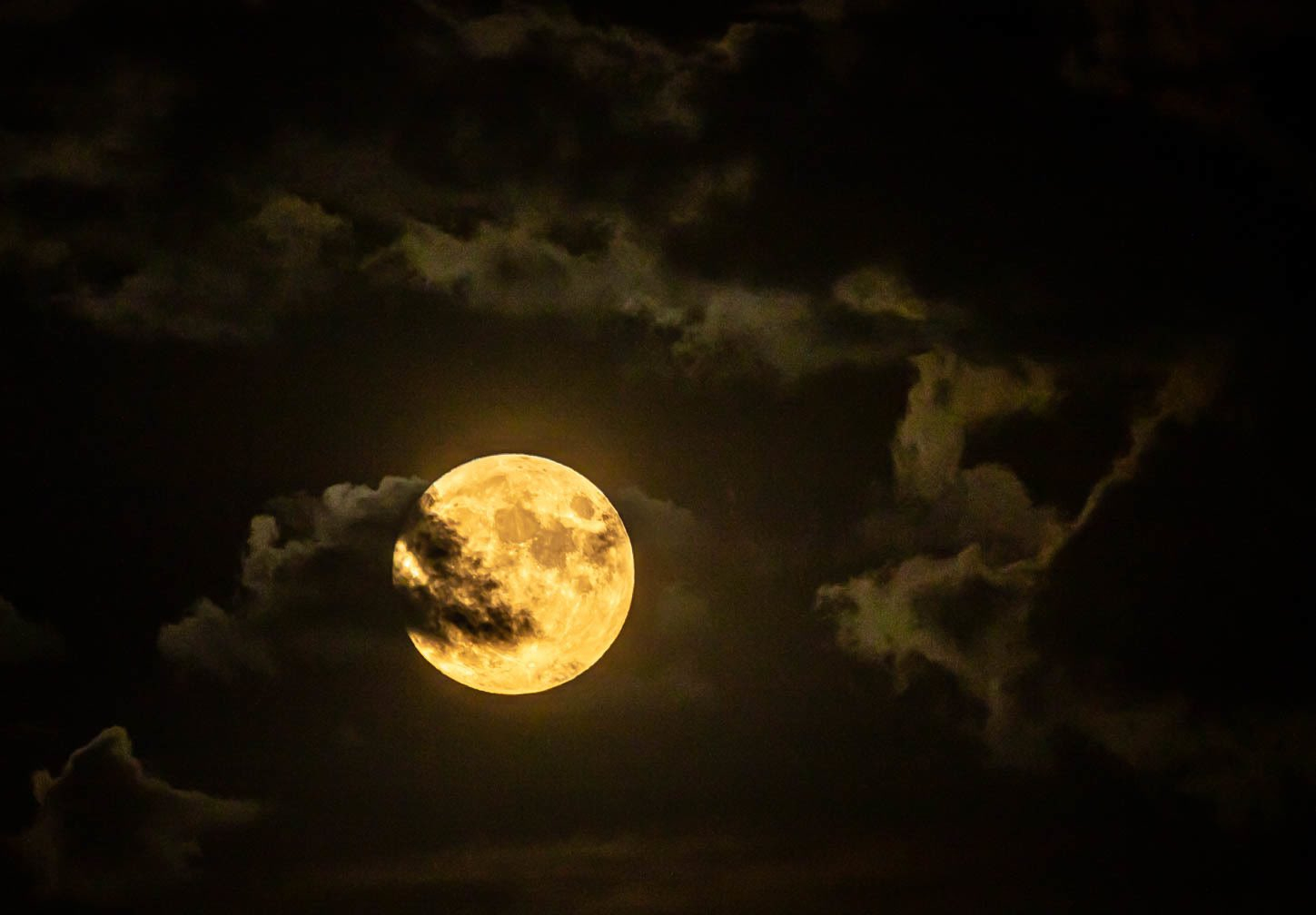
Full Moon October 2025 A Guide To The Hunter’s Moon Excel Calendar
![We Asked a NASA Scientist Why Can You See the Moon During the Day? [Video]](https://scitechdaily.com/images/Daytime-Moon.jpg)
We Asked a NASA Scientist Why Can You See the Moon During the Day? [Video]

NASA JSC History Portal (apollo)
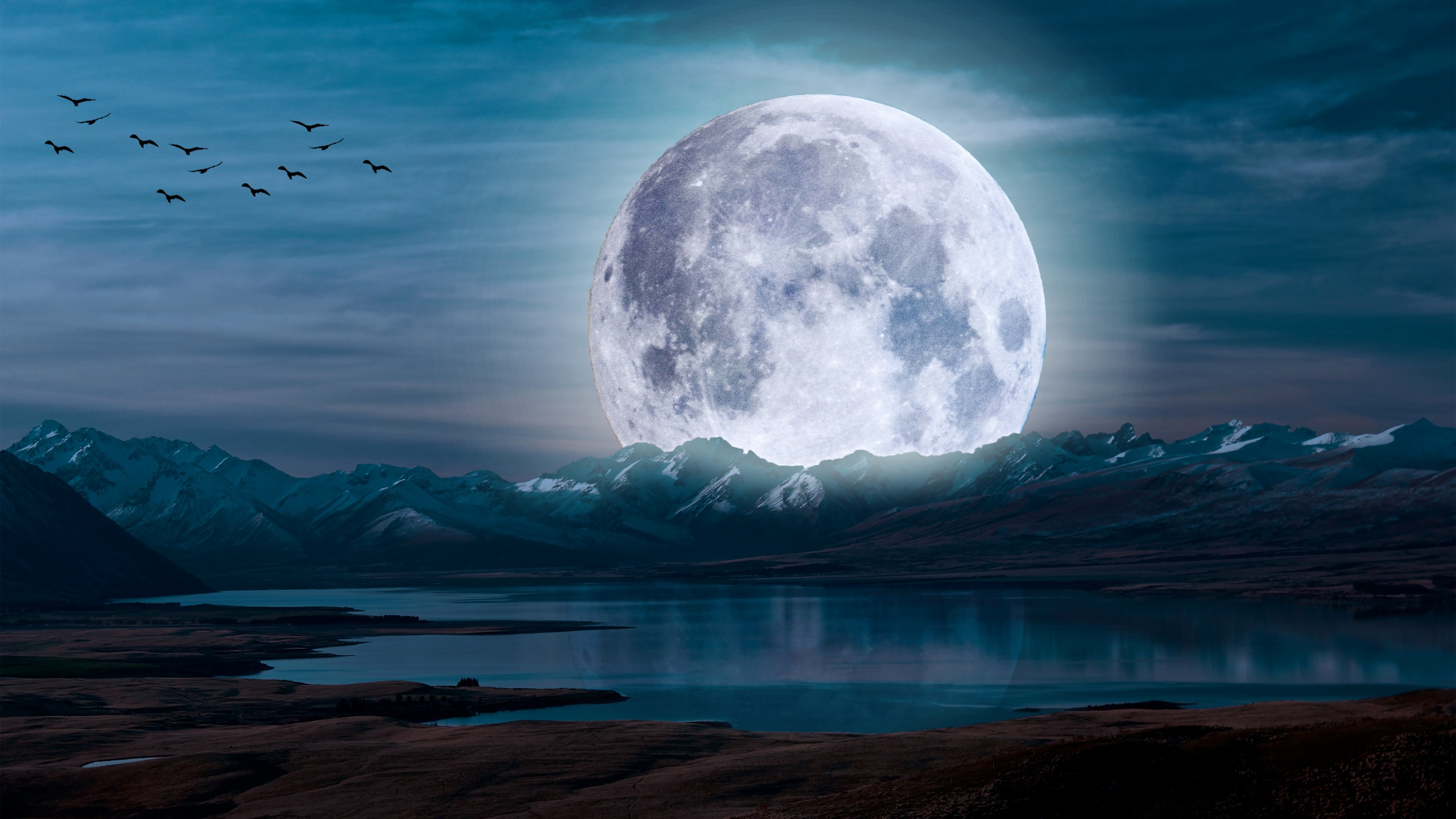
Moon Wallpaper 4K, Aesthetic, Night, Landscape, Lake
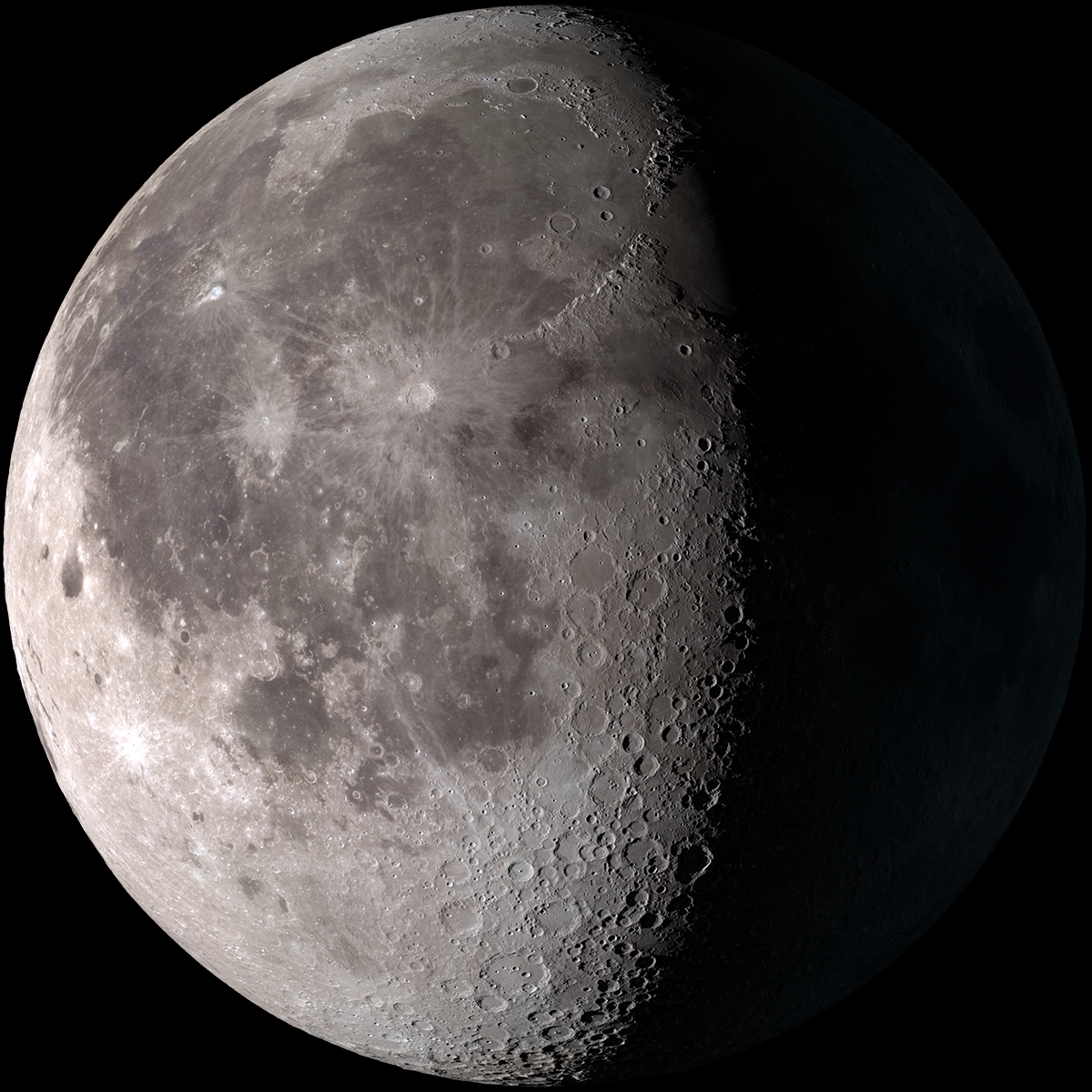
Moon phase today Current Moon

Who Brought Moon Moon
At 3,475 Km In Diameter, The Moon Is Much Smaller Than The Major Moons Of Jupiter And Saturn.
Learn About The Moon's Violent Origins, How Its Phases Shaped The Earliest Calendars, And How Humans First Explored Earth's.
The Moon Is The Fifth Largest Natural Satellite In The Solar System.
Related Post: